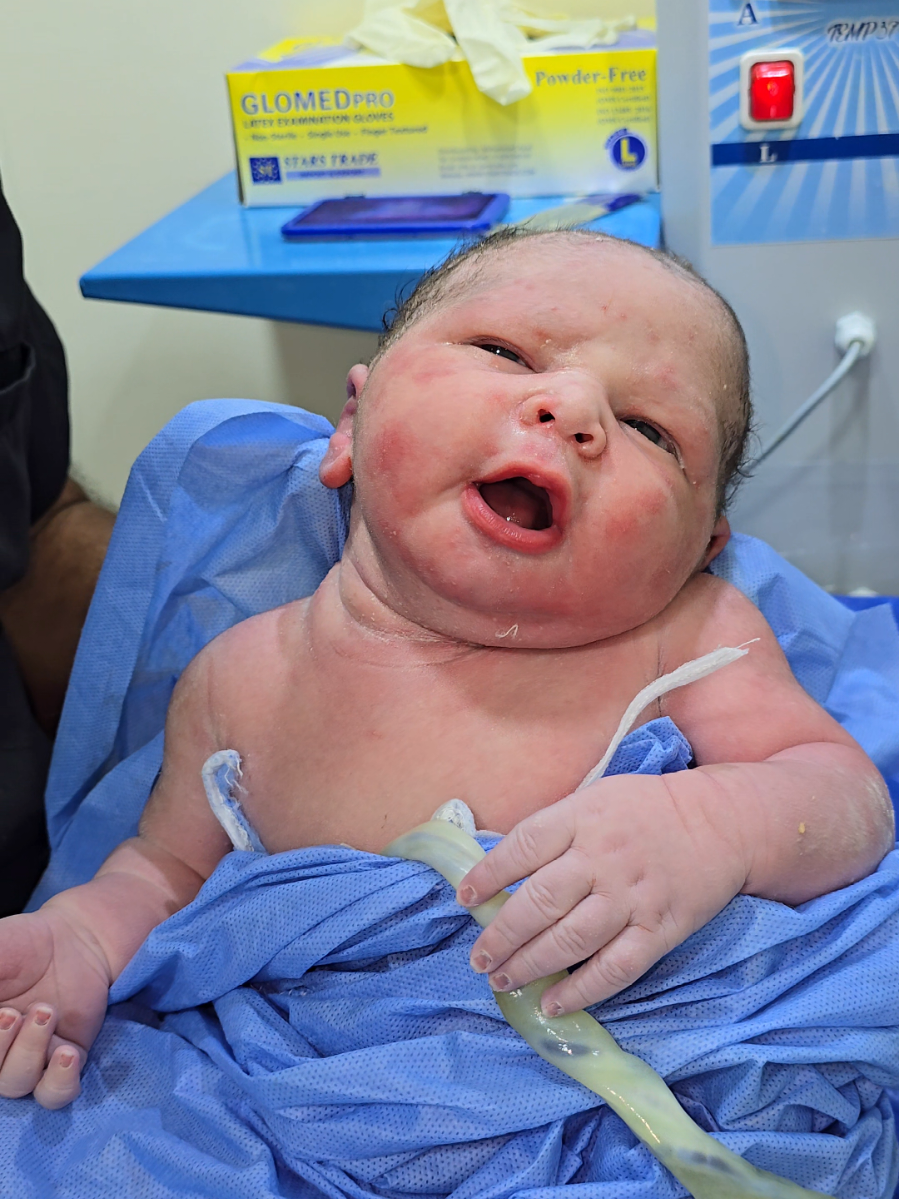
Methods of baby care.
Writing about this space is incredibly rewarding. Parents and parents-to-be are always searching for reliable, clear, and reassuring information.
To help you organize your content strategy, we can break this massive topic down into four distinct content pillars. Each pillar targets a specific stage of the parenting journey.
1. Conception & Fertility (“Techniques for Creating Babies”)
Articles in this category focus on the science and planning behind getting pregnant. Readers here are looking for actionable health advice and clarity on how the body works.
-
Tracking the Fertile Window: Explaining ovulation, tracking basal body temperature, and reading cervical mucus.
-
Optimizing Conception: Lifestyle adjustments for both partners (diet, prenatal vitamins like folic acid, avoiding endocrine disruptors).
-
Navigating Infertility: Demystifying options like IVF (In Vitro Fertilization), IUI (Intrauterine Insemination), and when to see a fertility specialist.
2. Pregnancy & Birth
This pillar covers the 40-week journey and the ultimate culmination: delivery. Content should balance medical facts with emotional preparation.
-
Trimester Guides: What to expect week-by-week regarding fetal development and maternal symptoms.
-
Prenatal Care: The importance of regular checkups, ultrasounds, and screenings to ensure a healthy pregnancy.
-
Birth Planning: Comparing unmedicated births, epidurals, water births, and C-sections.
-
Labor Realities: Breaking down the stages of labor (early, active, transition, and pushing).
3. Baby Care & The Newborn Phase
This is highly practical, “how-to” content for the first year of life. New parents look for highly scannable, step-by-step guides here.
-
-
Feeding Fundamentals: Navigating breastfeeding latches, formula ratios, and pacing bottle feedings.
-
Sleep Hygiene: Understanding newborn sleep cycles, safely swaddling, and setting up a safe crib environment (preventing SIDS).
-
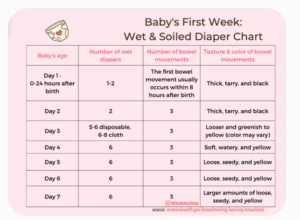
Daily Maintenance: Step-by-step guides on umbilical cord care, bathing a slippery newborn, and monitoring diapers.
-
4. Infant Growth & Development
As the newborn transitions into an older baby, parents switch focus to milestones and behavioral tracking.
-
Developmental Milestones: When to expect rolling, sitting, babbling, and crawling (and how to avoid the “comparison trap”).
-
Introduction to Solids: Explaining baby-led weaning versus traditional purees around the 6-month mark.
-
Sensory Play: Simple, age-appropriate activities to stimulate brain development and fine motor skills.
Key Tips for Writing in This Niche
Prioritize Safety and Medical Credibility: Parenting advice carries heavy responsibility. Always cite reputable medical organizations (like the WHO, AAP, or NHS) and explicitly clarify that your content is informational, not direct medical advice.
-
Keep Tone Empathetic, Not Judgmental: New parents are often anxious and exhausted. Write like an encouraging, knowledgeable peer rather than an aggressive critic. Avoid taking hardline stances on polarizing topics like sleep training or feeding methods.
-
Use High Visuals: As shown above, parents love charts, step-by-step graphics, and visual schedules. They are easy to digest at 3:00 AM during a feeding.