Standard Courtroom Operations: A Guide to the Trial Process

Modern courtrooms are structured environments designed to ensure that justice is administered fairly, transparently, and efficiently. Whether a case is civil or criminal, standard operations follow a predictable sequence of events and rely on a specific cast of professionals.
I. The Courtroom Layout and Key Figures
The physical layout of a courtroom is symbolic of the legal hierarchy. The judge sits at the bench, an elevated platform, while the parties sit at counsel tables facing the judge.
-
The Judge: Presides over the proceedings, rules on the admissibility of evidence, and ensures order. In a “bench trial,” the judge also acts as the finder of fact.
-
The Jury: A group of citizens (usually 12 in criminal cases) tasked with delivering a verdict based on the evidence presented.
-
Court Clerk/Deputy: Manages the administrative flow, swears in witnesses, and handles physical exhibits.
-
Court Reporter: Uses a stenographic machine to create a word-for-word transcript of everything said on the record.
-
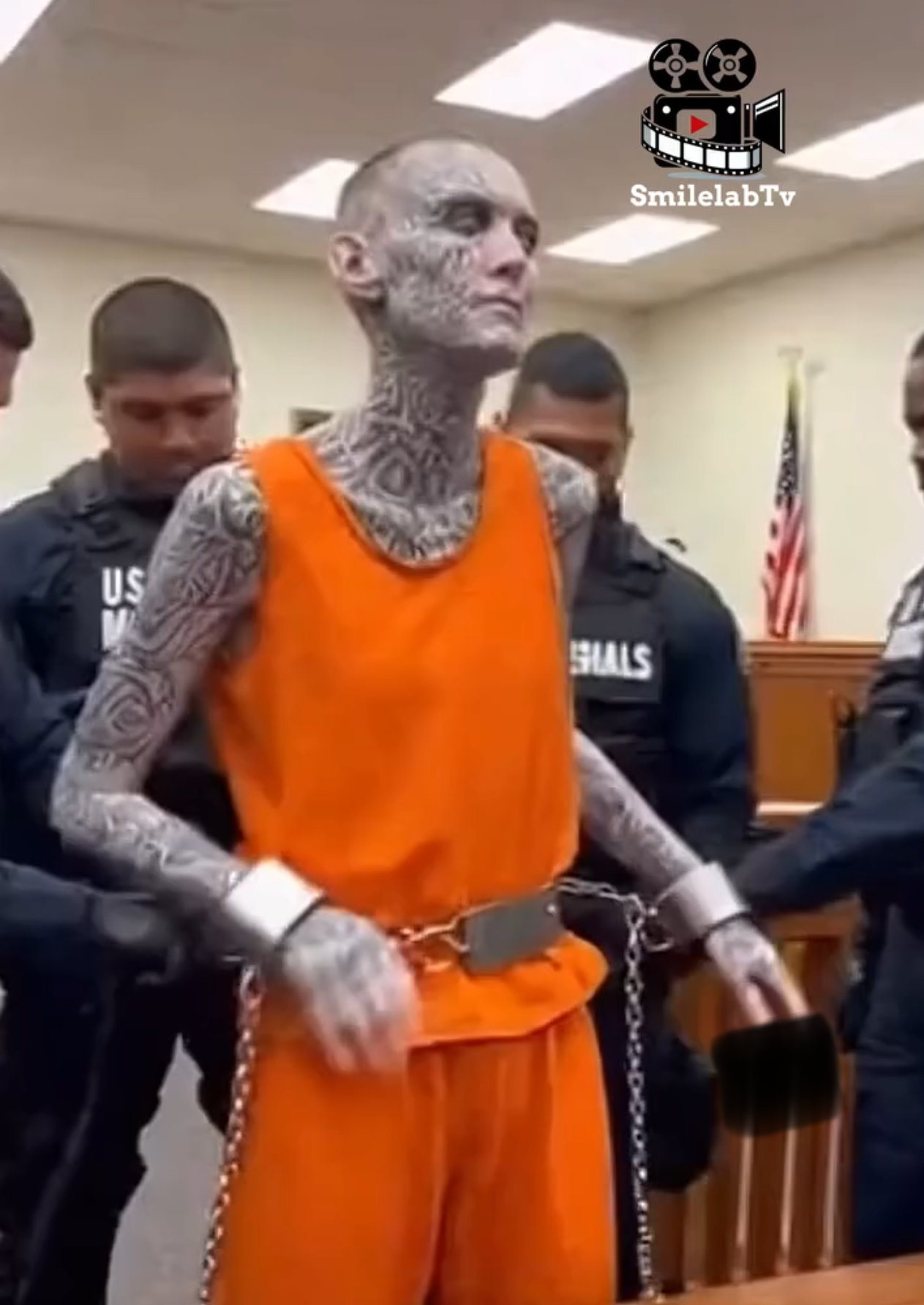
Bailiff/Sheriff: A law enforcement officer responsible for courtroom security and the safety of the participants.
II. The Life Cycle of a Trial
Standard operations can be divided into three primary phases: the pre-trial setup, the trial itself, and the post-trial conclusion.
1. Pre-Trial Phase
Before the public trial begins, the court handles “housekeeping” matters.
-
Pleadings: The formal filing of the complaint (plaintiff) and the answer (defendant).
-
Discovery: The mandatory exchange of information and evidence between both sides.
-
Voir Dire (Jury Selection): The process where lawyers and the judge question potential jurors to ensure an impartial panel.
2. The Trial Phase
The trial follows a strict chronological order to ensure both sides have an equal opportunity to be heard.
| Stage | Description |
| Opening Statements | Each side provides a “roadmap” of the evidence they intend to show. |
| Case-in-Chief | The plaintiff/prosecution presents witnesses and evidence first. |
| Cross-Examination | The opposing side questions the witness to test their credibility or find inconsistencies. |
| The Defense Case | The defendant presents their own witnesses and evidence (though in criminal cases, they are not required to do so). |
| Closing Arguments | Final summaries intended to persuade the jury or judge. |
3. Deliberation and Verdict
Once the evidence is closed, the judge provides Jury Instructions, explaining the specific laws that apply to the case. The jury then retreats to a private room to deliberate.
-
Criminal Case: Requires a verdict of “Guilty” or “Not Guilty” (usually unanimous).
-
Civil Case: Results in a judgment for the plaintiff or defendant, often involving a “preponderance of the evidence” standard rather than “beyond a reasonable doubt.”
III. Professional Conduct and Decorum
Courtroom operations rely heavily on etiquette to maintain the “dignity of the court.”
-
Standard Speech: All participants stand when the judge enters or exits. When addressing the judge, individuals use the term “Your Honor.”
-
Objections: Lawyers may interrupt the proceedings with an objection (e.g., “Hearsay” or “Leading”). The judge will either Sustain (agree and stop the testimony) or Overrule (disagree and allow the testimony to continue).
Note: Most courtrooms are open to the public, though the use of electronic devices like cell phones and cameras is strictly regulated or prohibited to prevent distractions and protect witness privacy.