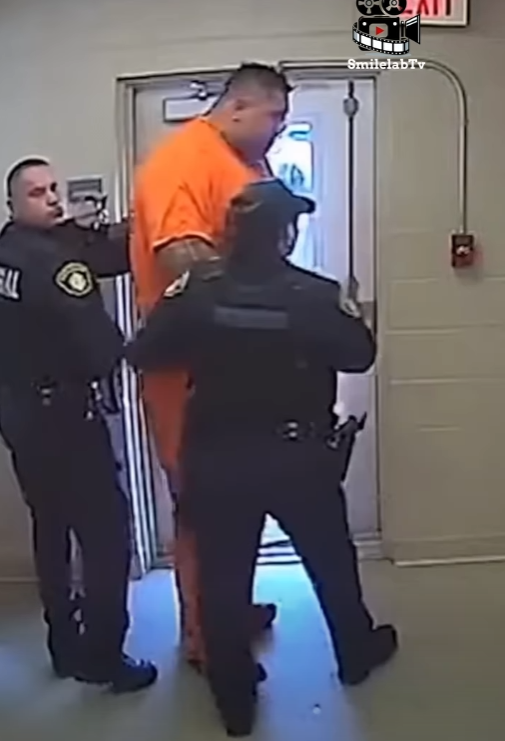
When the “Rear Exit” Becomes the Main Event
Introduction
There was a time when the rear exit was exactly what it sounded like: a quiet, practical afterthought. A place for logistics, mistakes, or polite disappearances. No applause. No spotlight. Just… function.
But somewhere along the way, the rear exit stopped being secondary. It became intentional. Strategic. Sometimes even celebrated.
And that shift says a lot about how we operate today.
The Rise of the Unexpected Focus
In architecture, workplaces, relationships, and even personal branding, what was once hidden is now being reframed. The “back way” has turned into a feature instead of a flaw.
Think about it:
-
Back entrances redesigned as statement spaces
-
Side hustles overtaking main careers
-
Supporting characters stealing the show
-
Quiet strengths becoming defining traits
The rear exit didn’t change — our perspective did.
Why We’re Drawn to the Back Door
There’s something irresistible about the unexpected. The rear exit feels honest. Less rehearsed. Less polished. It’s where real movement happens — where things actually get done.
In a world obsessed with front-facing perfection, the rear exit represents:
-
Efficiency over performance
-
Substance over show
-
Authenticity over appearance
Sometimes the most impactful route is the one nobody’s watching.
When the Main Event Moves
The moment the rear exit becomes the main event, hierarchies collapse. The “secondary” takes control. And suddenly, the rules shift.
What we once ignored now defines the experience.
That’s not failure — that’s evolution.
Closing Thought
Maybe the lesson isn’t about exits at all. Maybe it’s about paying attention to what we’ve been dismissing. Because every now and then, the thing we treat as an afterthought is actually the whole point.
And we don’t leave through the front anymore.