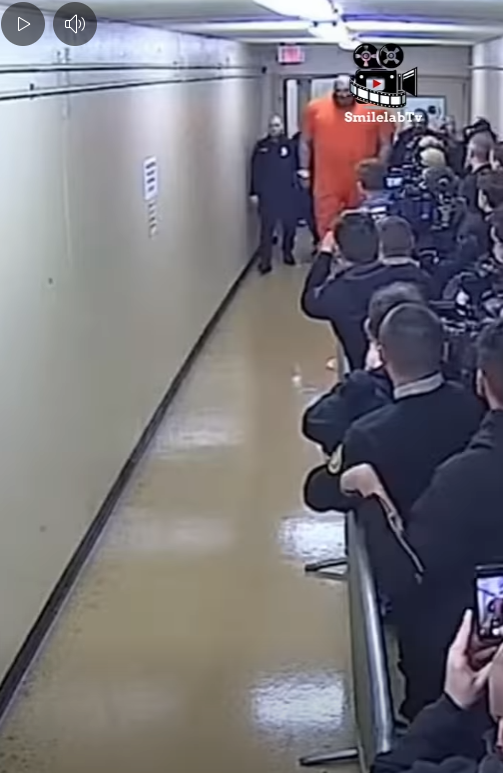
When “Exit Corridor” Becomes a Spectator Event
There was a time when an exit corridor meant discretion. A quiet departure. A door slightly ajar, a badge deactivated, a handover email sent at dusk. It was a functional space—designed for movement, not attention.
That time is over.
Today, exits are no longer private transitions; they’re public performances. Layoffs are live-blogged. Resignations trend. Firings are dissected in Slack channels, on LinkedIn posts, and across anonymous forums before the chair has cooled. The “exit corridor” has become a spectator event.
From Process to Theater
Organizations still talk about exits as processes—risk management, compliance, continuity. But culturally, they’ve shifted into theater.
Who leaves first?
Who follows?
Was it “voluntary”?
What does it signal?
Every departure is now treated as a narrative clue. Employees read between the lines of farewell messages like Kremlinologists. External observers speculate about instability, culture rot, or strategic pivots based on who’s walking out and how fast.
The exit itself matters less than the optics.
The Audience Problem

Spectator exits create an invisible but powerful audience: everyone who remains.
When people watch colleagues escorted out, abruptly “taking time off,” or posting cryptic goodbye notes, they don’t just feel sympathy—they start rehearsing their own exits. Productivity dips, trust erodes, and informal networks tighten around rumor instead of work.
Ironically, the more an organization tries to control the message, the more it fuels speculation. Silence is read as guilt. Corporate language is decoded as evasion. The audience fills in the gaps—and they’re rarely charitable.
Exit as Signal, Not Closure
In a spectator culture, exits stop being endings and become signals.
-
A senior leader leaves? Strategy is “about to change.”
-
A wave of mid-level exits? Culture is “toxic.”
-
High performers depart quietly? “Something’s wrong.”
Whether these interpretations are accurate is almost irrelevant. Perception spreads faster than facts, and perception shapes behavior. Investors react. Candidates hesitate. Remaining employees hedge.
The exit corridor becomes a forecasting tool—flawed, emotional, and loud.
Why This Keeps Happening
This isn’t just about gossip or social media. It’s structural.
Modern organizations are flatter, more transparent, and more fragile in reputation. Careers are portable. Loyalty is conditional. People have platforms, and silence is no longer the default response to disruption.
At the same time, many companies still handle exits with outdated instincts: secrecy, speed, and legal minimalism. Those instincts clash with a culture that expects context, humanity, and explanation.
The mismatch turns exits into events.
Reclaiming the Corridor
Making exits boring again might be impossible—but making them humane and less theatrical isn’t.
That means:
-
Communicating early and honestly where possible
-
Treating departures as transitions, not erasures
-
Respecting the intelligence of those who remain
-
Accepting that control of the narrative is limited, but credibility isn’t
An exit corridor doesn’t have to be a stage. It can still be a passage—if organizations stop pretending no one is watching and start acting like the audience matters.
Because it does.