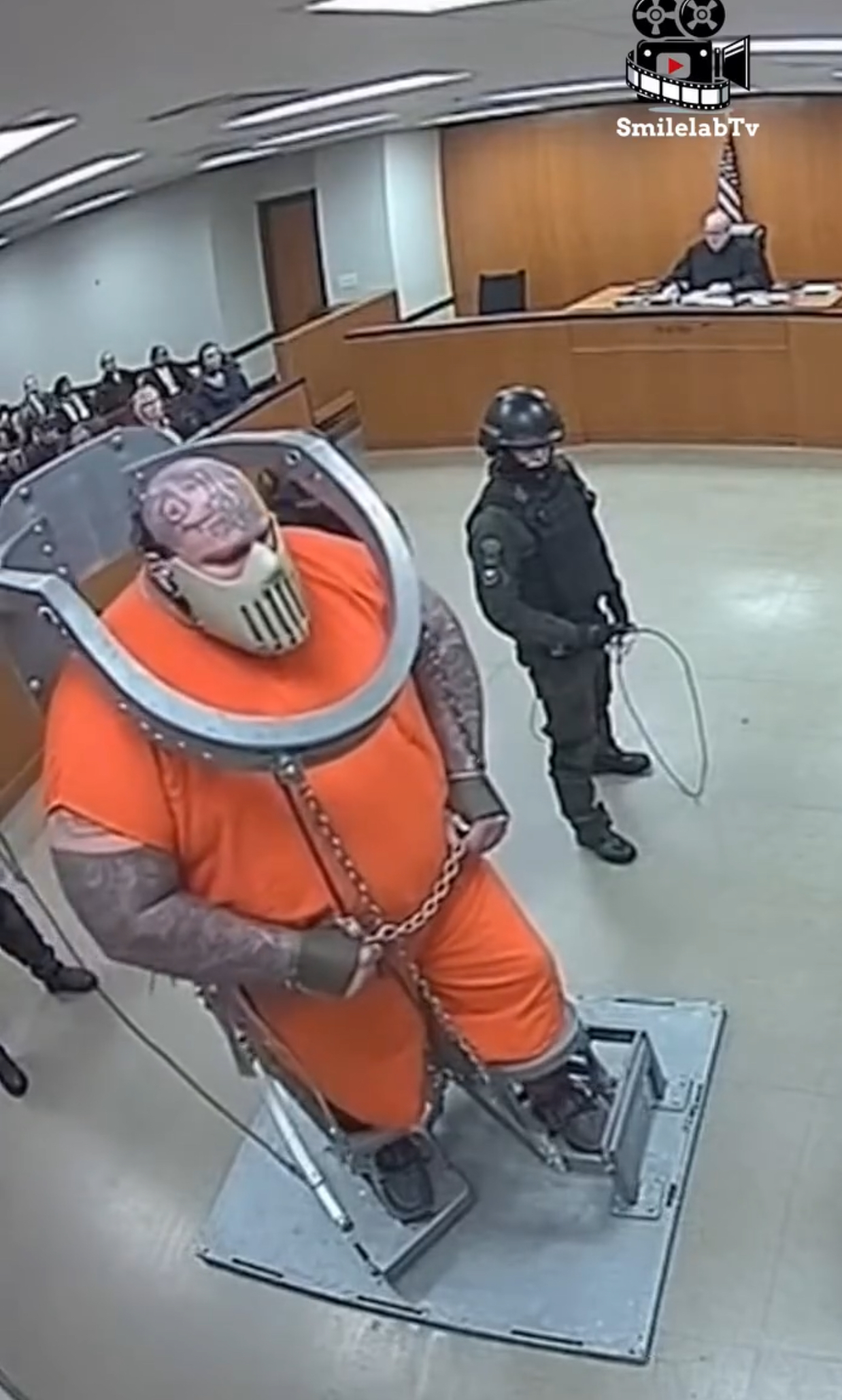
“The Authorities Are Silent”

Silence can be louder than any statement. When authorities choose not to speak—during crises, scandals, or moments of public uncertainty—the absence of words becomes a message in itself. It raises questions, fuels speculation, and often deepens mistrust between institutions and the people they are meant to serve.
In democratic societies, communication is not a courtesy; it is a responsibility. Citizens expect transparency, especially when decisions affect safety, livelihoods, or fundamental rights. When officials remain silent, rumors rush in to fill the void. Social media amplifies half-truths, fear spreads faster than facts, and public confidence erodes.
There are, of course, moments when silence is justified. Ongoing investigations, national security concerns, or the need to verify information can make immediate statements irresponsible. But justified silence must still be managed silence—accompanied by clear explanations about why information cannot yet be shared and when updates will come. Without that context, silence feels evasive rather than prudent.
History shows that prolonged quiet from those in power often signals deeper problems: lack of accountability, internal disagreement, or indifference to public concern. In such moments, silence is interpreted not as caution but as neglect. Communities left without answers feel abandoned, and trust—once lost—is difficult to restore.
Ultimately, authority derives its legitimacy from the public. Speaking honestly, even when the truth is incomplete or uncomfortable, reinforces that bond. Silence may buy time, but it also costs credibility. And in the long run, the price of saying nothing is often far higher than the risk of speaking up.